 Shea CullenGood Architect, bushwalker, ex Bush Search and Rescue & Gosford SES · Updated 18 July 2026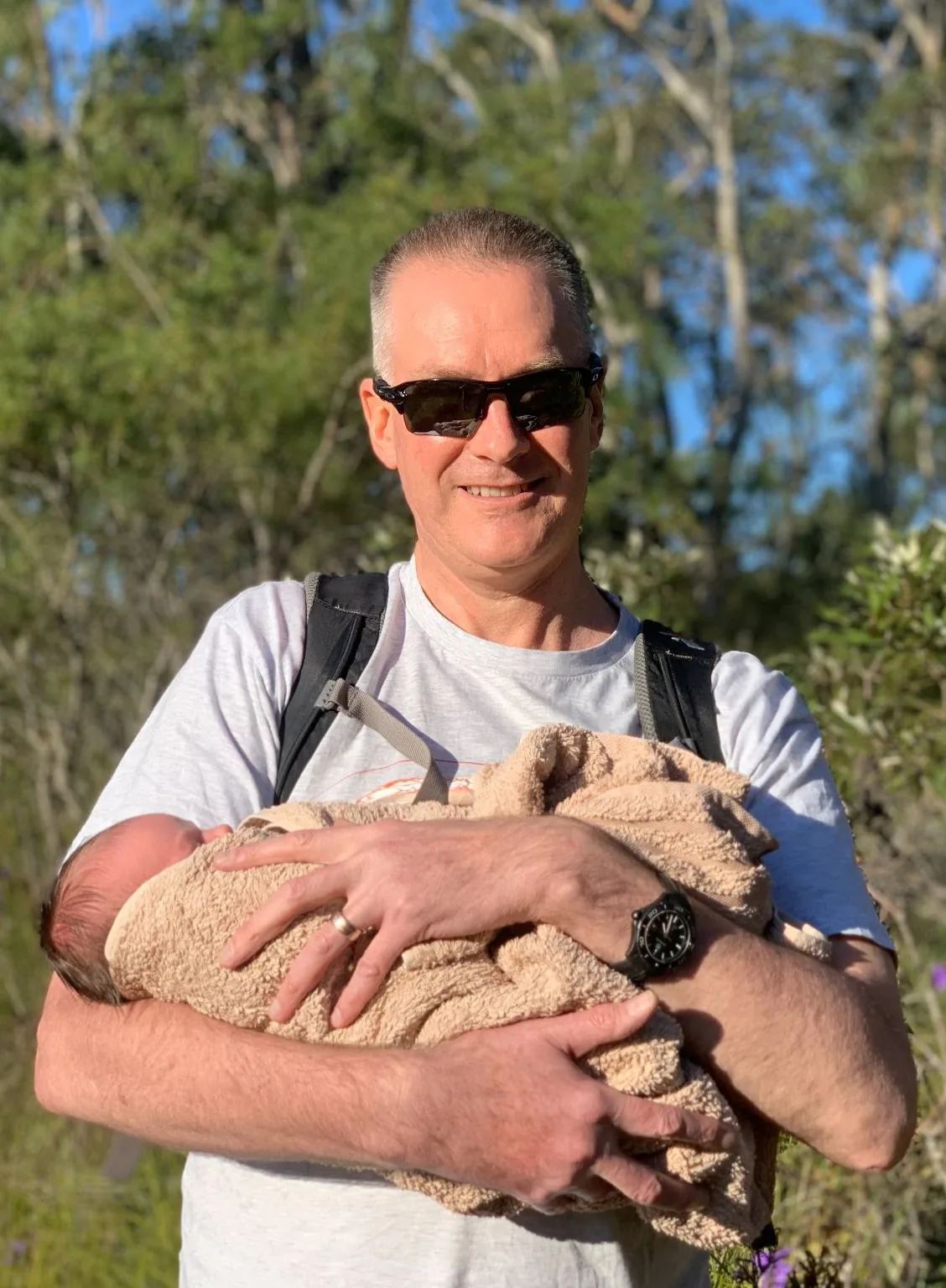
This is a photo of our bub days after being born. The first thing we did after getting out of hospital was go for a small bushwalk. Nature is wonderful for bubs and kids. Get out there with your kids as soon as you are physically able.
Adjust your expectations.
This is a 400 m bushwalk. Adjust your expectations: your hikes will be a lot shorter than you are used to, so keep them short and enjoyable. Make sure you also go on adult only hikes to keep your fitness level up and take the pressure off your kids.
How far can kids hike?
When they are really little, you can still go for big hikes because you can carry them. As soon as they insist on walking themselves, you need to make some adjustments. As a rough rule of thumb, make the hikes 1 km for each year of their age. If they are still small enough to carry, just keep that distance in mind for the part of the walk they do themselves.
When should you stop carrying kids on hikes?
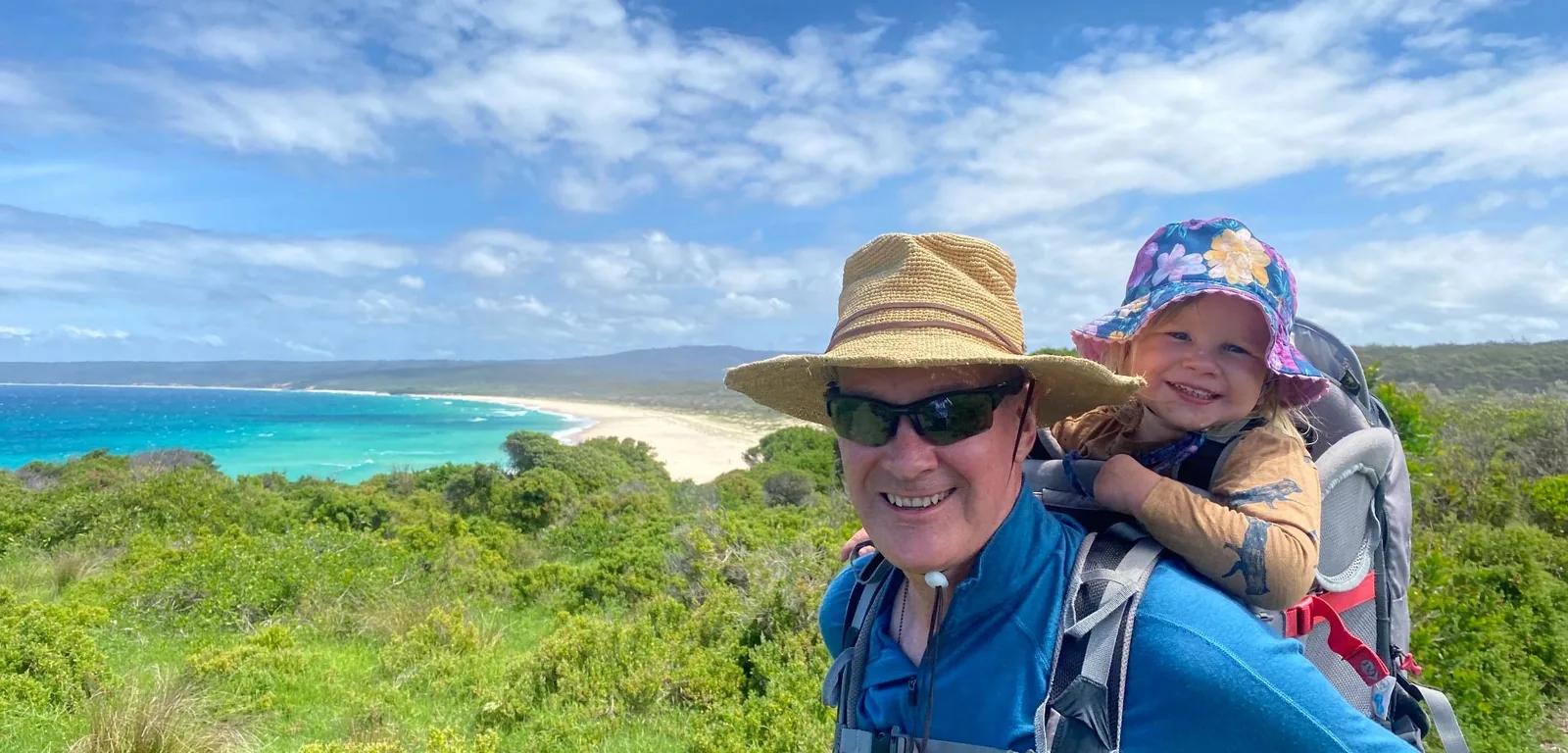
It depends on how heavy they are. Friends with heavier kids had to stop a lot sooner. Ours were light, so we drew the line at four years old. We gave them plenty of warning that at four they would no longer be carried, and we did not break after they turned four.
How to get kids into hiking?
Here are the most important tips we have learned about hiking with kids, through trial and error. Please let someone know where you are going before a hike, or use the FriendsFindMe App to do it, because it's not just you out there. Your kids are with you, and they are a lot more vulnerable. There is also a packing list for a day hike with kids below.
-
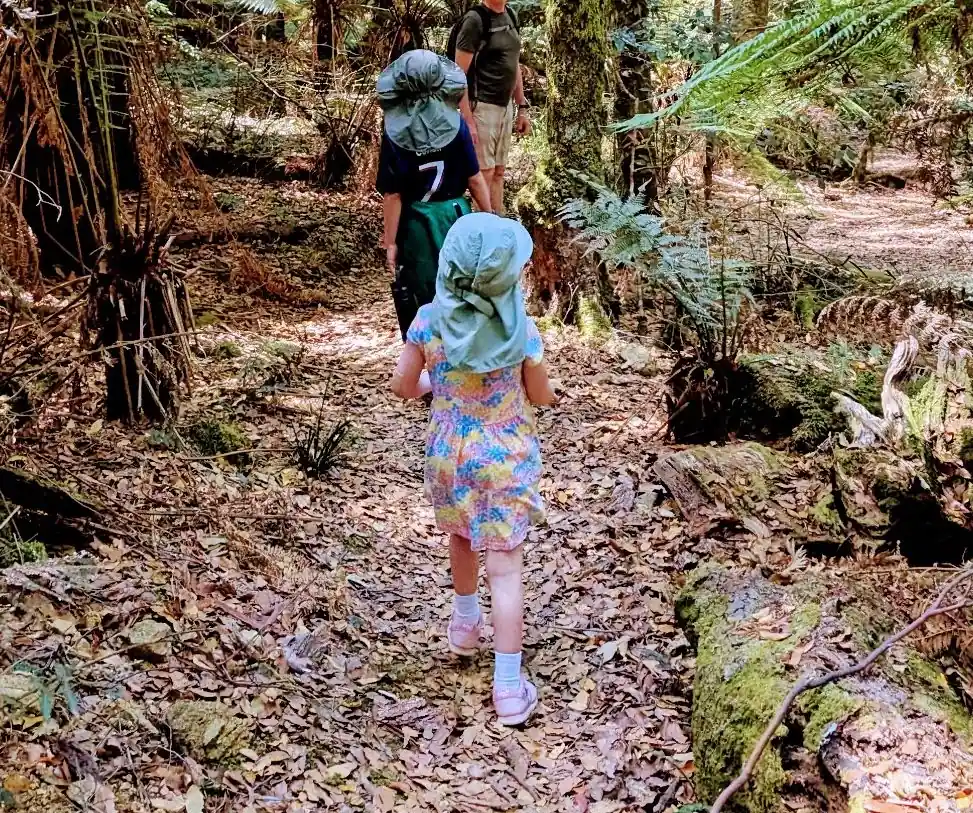
Bring a Friend, bring a friend, bring a friend.
If you don't want to carry your kids for the entire hike, the best way to get them walking is to invite a friend or a few friends near their age. They will walk incredible distances to impress their friends and have a great time doing it.
If you don't invite some friends near their age to the playdate, expect either a lot more carrying or a lot more complaining. Make it more enjoyable for them by giving them companions of the same age and ability. It also means you won't be unfairly comparing them to adults and hustling them along. You're all more likely to have a great time if everyone has friends along, so the more the merrier.
2. Bring food, bring snacks, bring rewards.
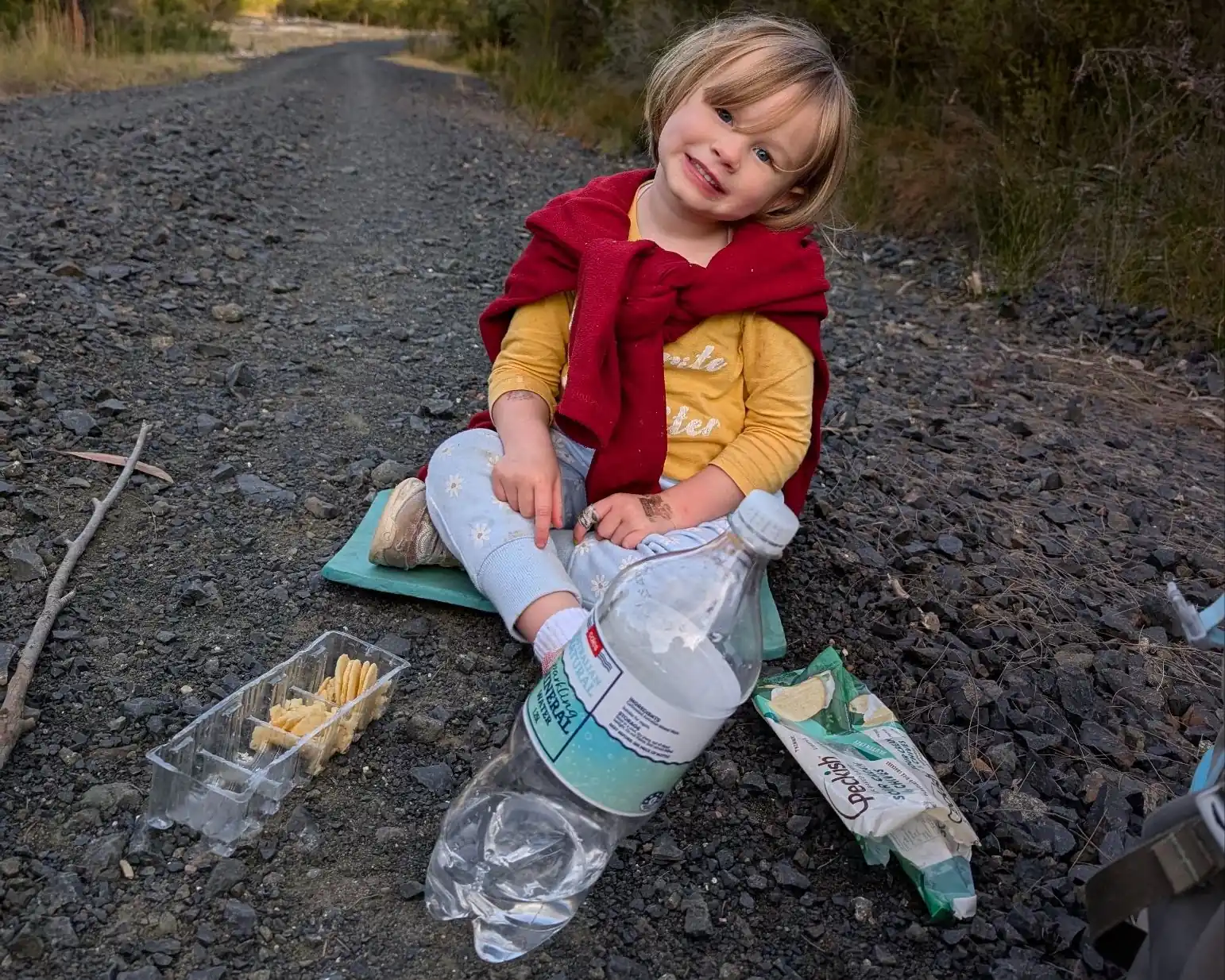
Bring an incredible amount of snacks and stop often, whenever they ask within reason. They have a lot of sprinting energy but not much staying power, so get them sprinting, then stop, sit them down on a piece of foam and give them a snack and some water.
Bring rewards as well. You can bring small chocolates for when they complete challenges, or leave them in the car so they get them if they walk the entire walk without being carried.
Some favourite lightweight snacks are corncakes, rice crackers, sultanas and apples.
3. Make it Challenging, don't pick an easy boring track.
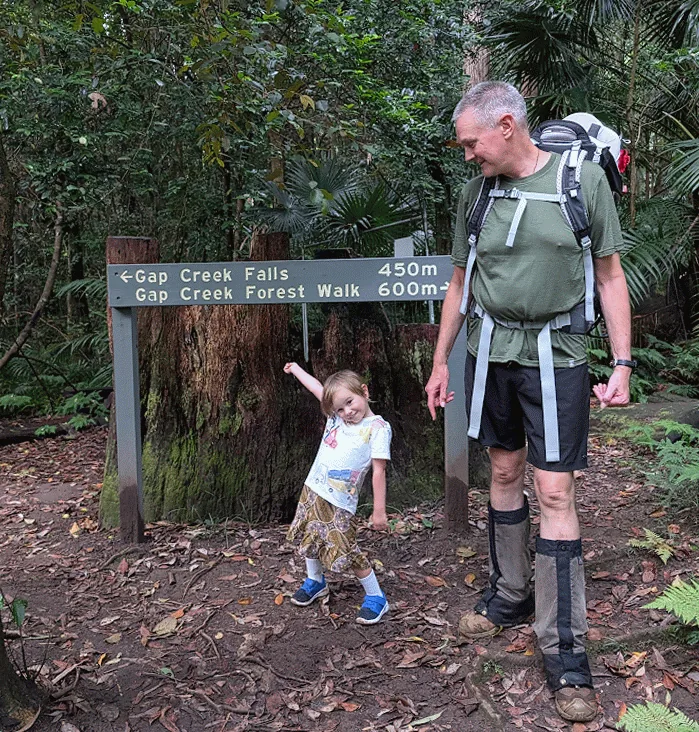
Kids have a lot of energy and are inquisitive. Don't be scared off by big inclines, because they'll love jumping up and down things on them. Pick challenging tracks that are interesting and have a lot of different features. For walks that suit kids, see our kid friendly walks.
There is nothing worse than coaxing them along an incredibly flat, boring fire trail that has nothing for them to walk along and explore.
Make it a game where they can only step on logs or stones, so they have to leap and climb. Any vine is an invitation to swing, take it!
4. Embrace water.
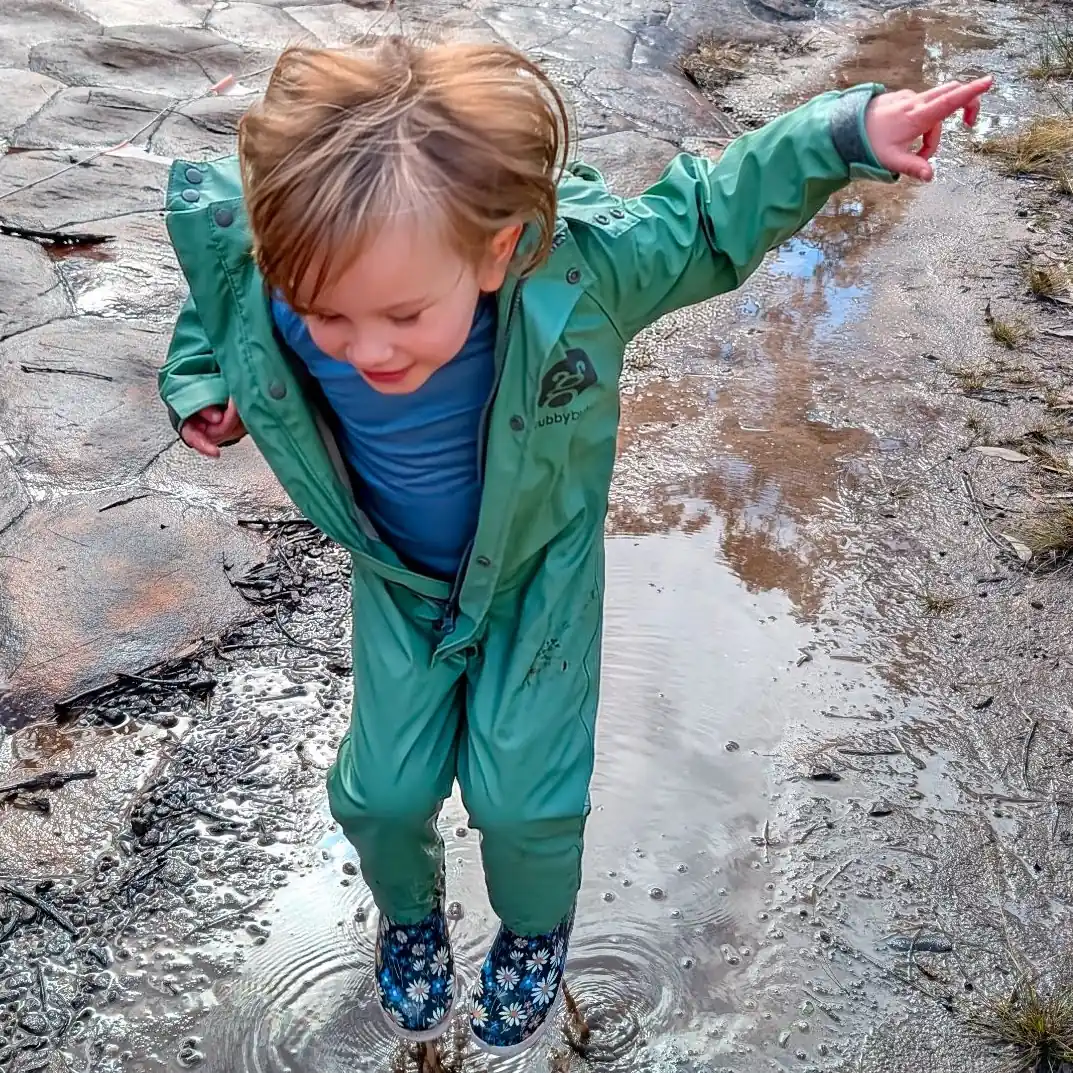
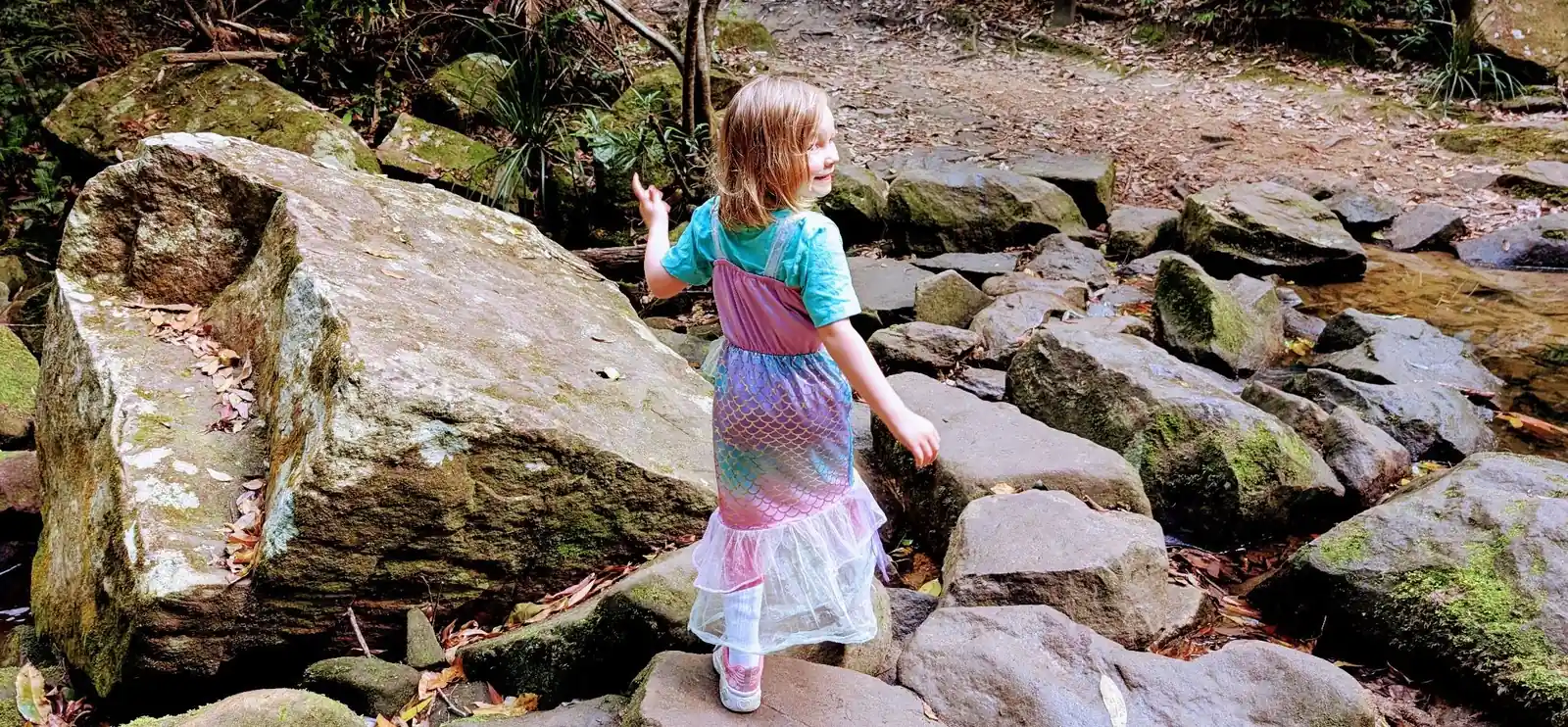
Take a few extra changes of clothes and extra shoes. If there is a river or a beach, let them get in and explore. They are going to get wet anyway, no matter how careful you are, so you may as well let them get wet from the start and enjoy the whole day, rather than wasting a lot of energy keeping them dry.
Let them throw rocks in rivers and follow barky boats downstream.
Puddles are an invitation to jump in, let them!
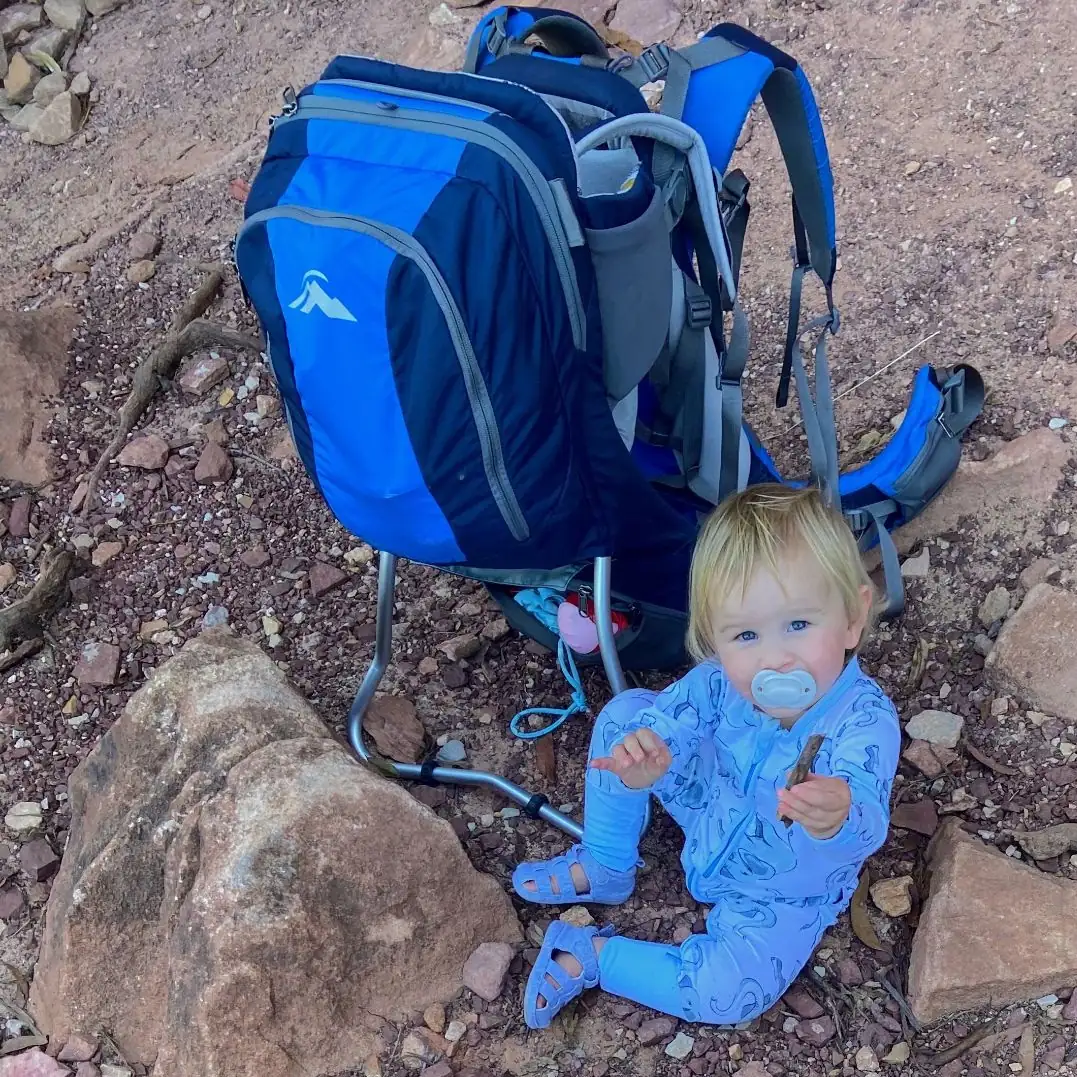
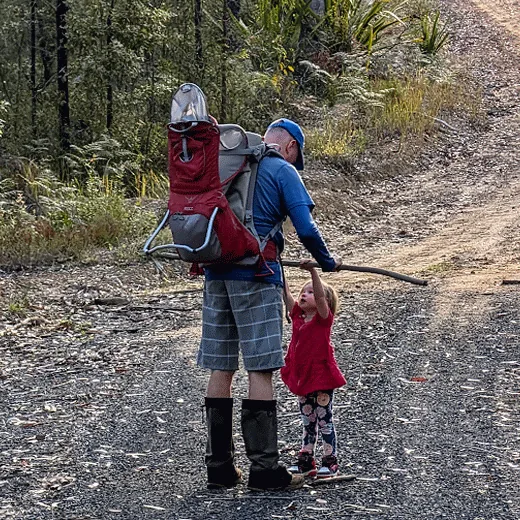
5. Sticks are the best
Give them a stick straight away. They will love it and use it to explore in different ways.
Don't carry it for them though. If they don't want it anymore, let them discard it immediately, because you don't want to be stuck with it.
Pick up a stick, let it become a fishing rod, a fire hose, a walking stick.
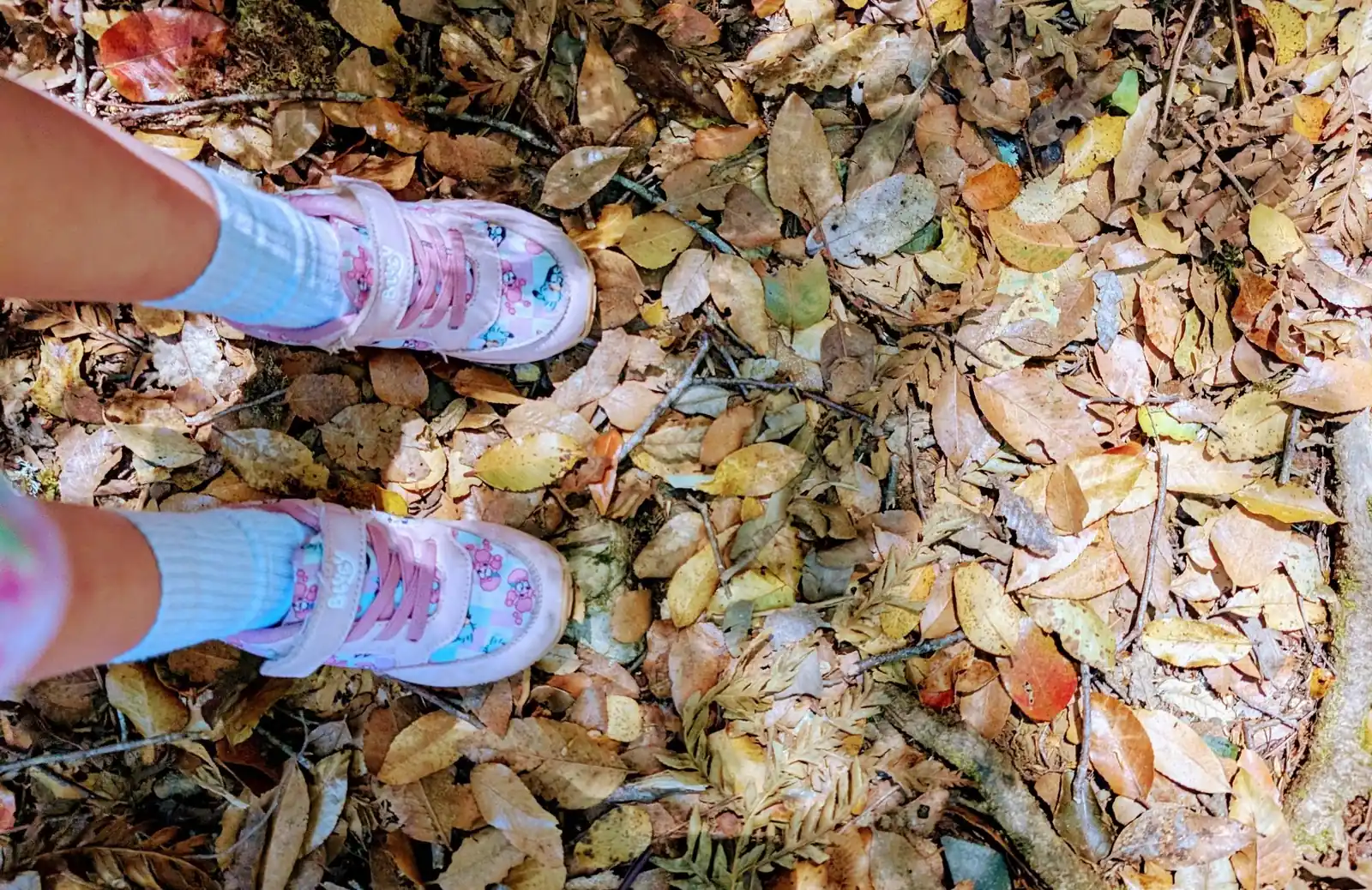
6. Give them a camera or a microscope
Give them a different way to look at the world: a camera, an old phone or a microscope, so they can enjoy seeing the world differently and are entertained by their new toy.
Only let them have it when bushwalking, so it is something they really look forward to, a real treat. It's great to hear your kids say "It's so beautiful!"
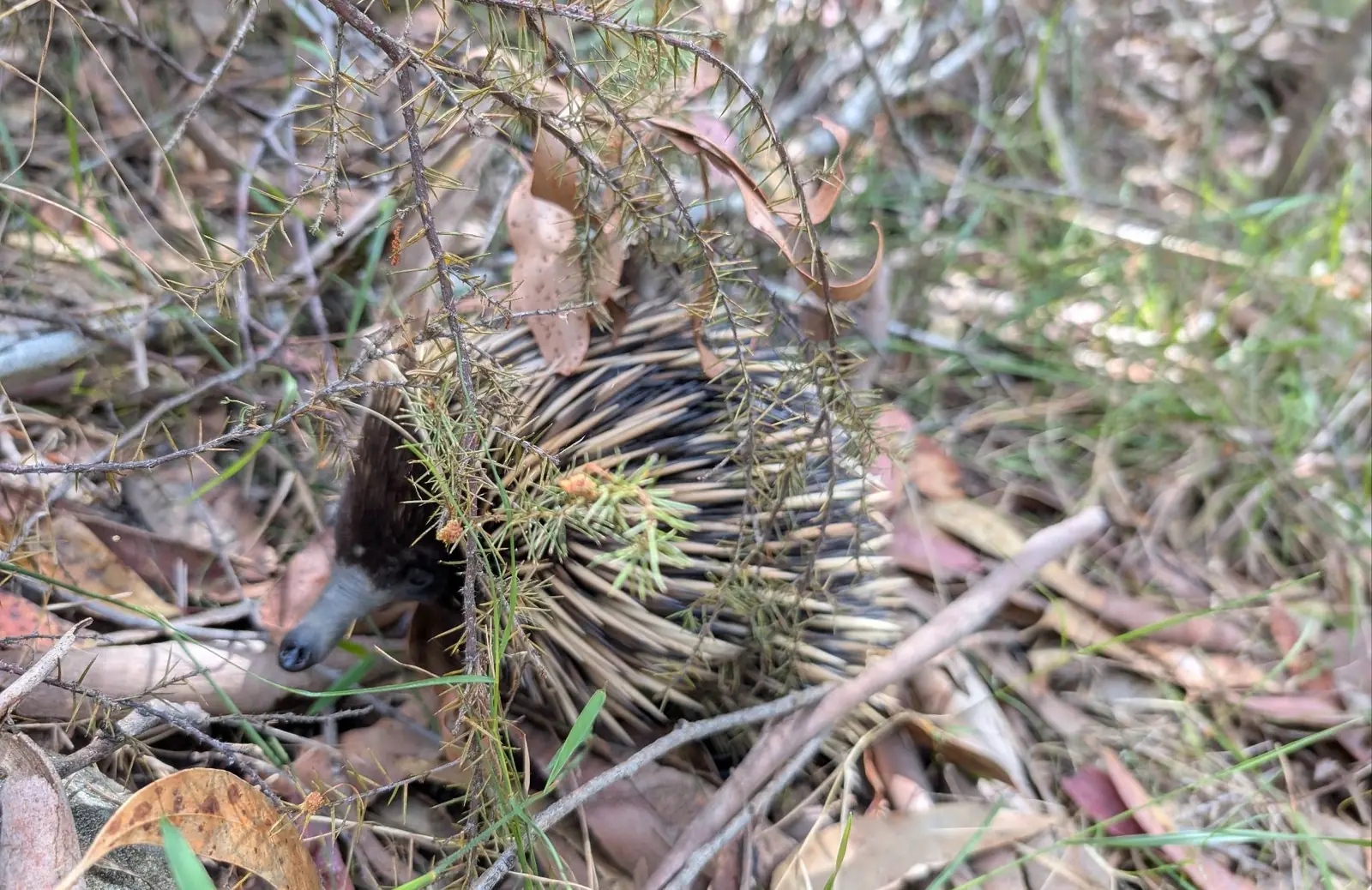
7. Encourage them to Find Animals and Insects
Get them looking at the ground, listening to noises and exploring what is making them. They will be spellbound with the same awe we feel when we find them, and kids have better eyesight, so you might see even more.
When you find them, stop. Let the kids have their fill of looking and really enjoy it.
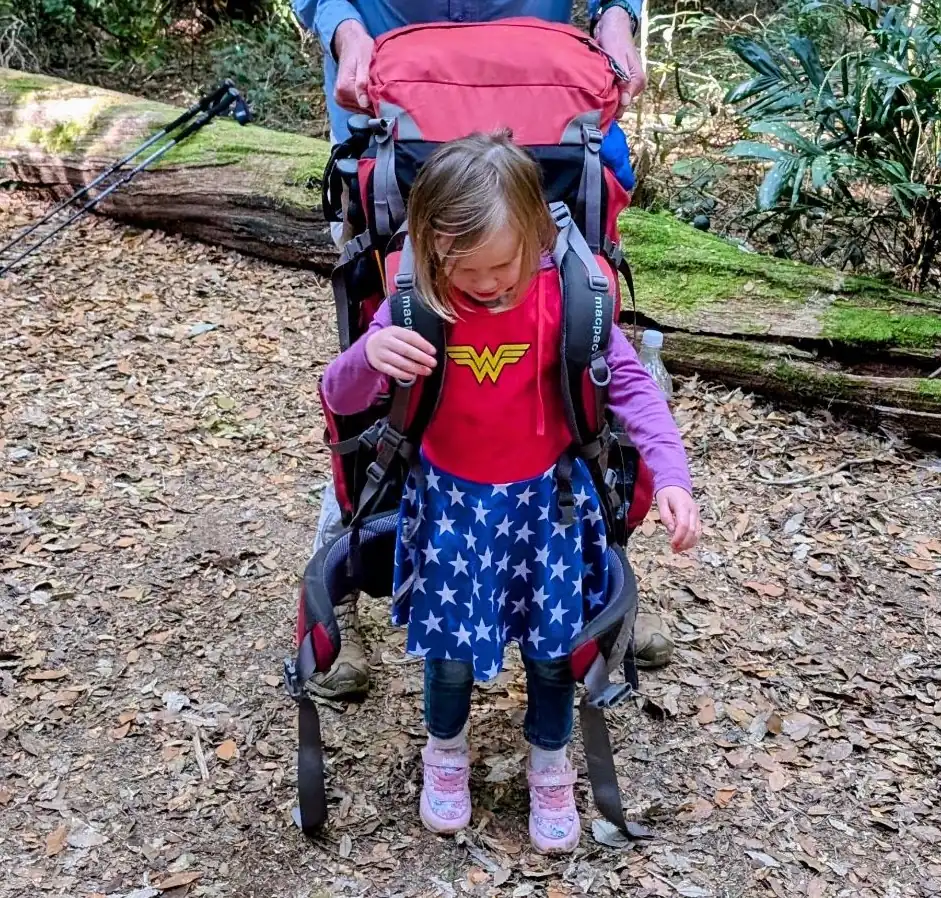
8. Don't let them carry anything from the car at all
Do not let them carry a bag, a teddy, a snuggly, anything at all. It will slow them down, it will get dirty and there will be a tantrum about it.
Let them enjoy the walk without carrying anything apart from a stick, and make that a habit.
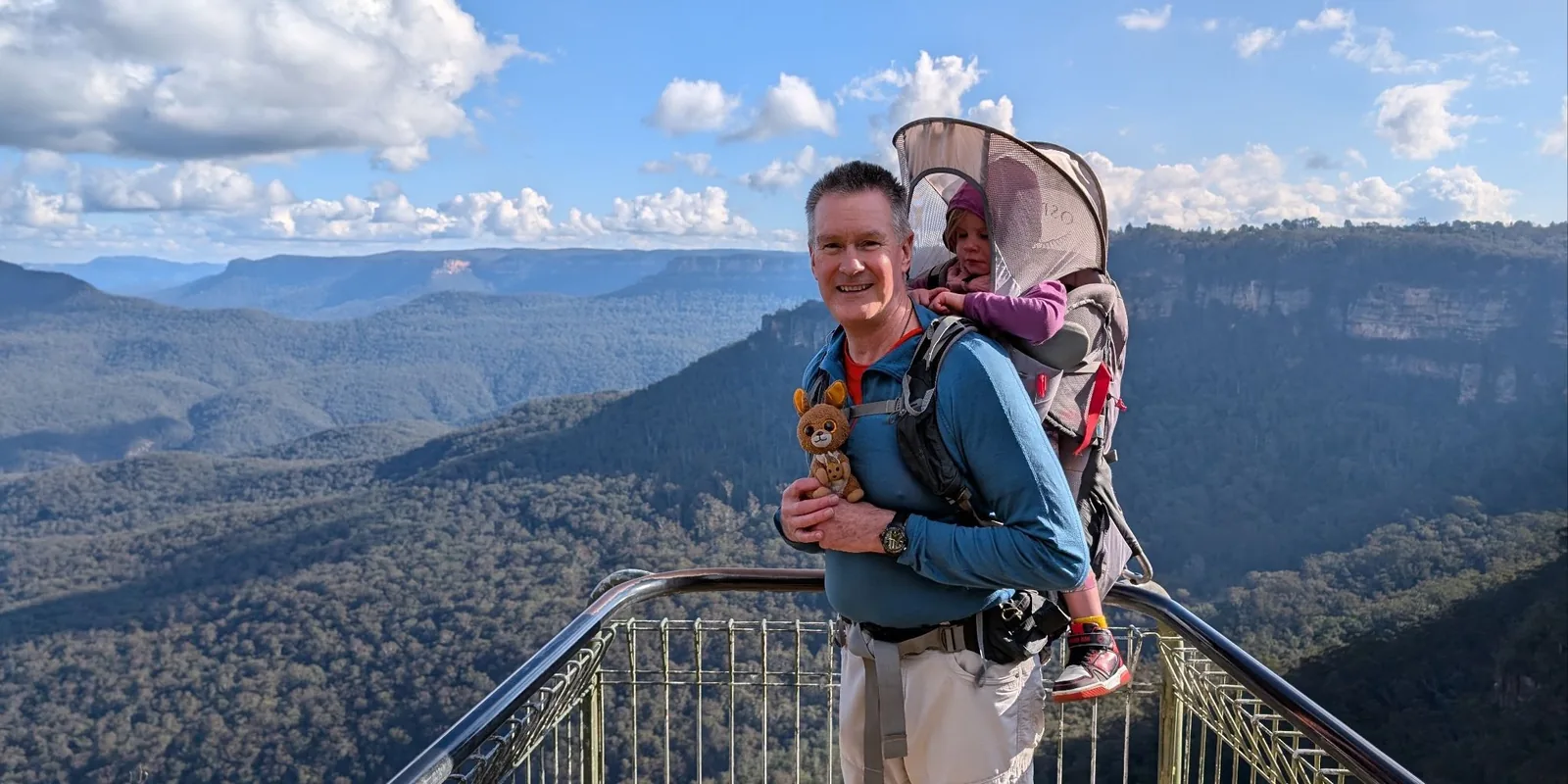
What is the best child carrier?
We've tried a few different ones and found the best carrier is the Osprey Poco. The Macpac Possum is also a good carrier, but the Osprey Poco is a lot better designed. Either will do, so find one of these secondhand on Facebook Marketplace:
- Osprey Poco
- Macpac Possum
What should I take on a hike with kids.
There are two packing lists below, one for a day hike and one for a multi day hike. In addition, here is a list of other things you'll need based on age:
What should I pack for my 0 to 3 year old on a hike?
- plastic bags for nappies
- nappies
- wet wipes
- sudocrem
- playmat/ blanket or towel as a change mat or area to play
- Milk powder and bottles
- baby Panadol or baby Nurofen
- 3 changes of clothes
- 1 extra pair of shoes
- jumper
- hat
- dummy
- lots of snacks
What should I pack for my 3 to 10 year old on a hike?
- water bottle
- hat
- rainshell
- jumper
- 3x change of clothes
- hat
- lots of snacks
- foam seat
The most important thing is to have a spot for everything and to put everything back in its spot so that you can find it.
Think logically about the things you'll need multiple times a day and make them the most accessible. For example, in the hip belt we store:
- Hand sanitiser
- Gloves and Beanie
- Pocket Knife
These are items you'll pack away early in the morning when you get too hot, need when you get too cold, or need after going to the toilet and when eating, so keep them available.
What else should I take on a day Hike with Kids?
The Packing List is below as well as in this google drive document.
Shelter (store in drybags)
- Tarp for lunch in case of rain
- Bit of foam yoga mat to use as a seat
- Microfibre towel, always useful
Hygiene
- Wet wipes
- Hand sanitiser
- Insect repellant
- Sunscreen
- Toothbrush/ toothpaste
Cooking
- Lunch materials, bring wraps with ingredients
- Snacks, biltong, nuts, dried fruit, chocolate, lots of chocolate
Clothing (store in drybags)
- Rain Jacket (if rain is forecast)
- Beanie (if cold temperatures are forecast)
- Buff (if cold temperatures are forecast)
- Gloves (if cold temperatures are forecast)
- Lipbalm
- Hiking Sticks with gaffa tape on poles that can be reused to fix things
- Head torch
- Mosquito Spray
Navigation
- Phone for navigation with AllTrails map and Avenza map preloaded
- Backup phone with AllTrails map and Avenza map preloaded or a powerbank
- PLB (personal locator beacon)
First Aid Kit
- Compression Bandage
- Saline Pack for Wound Care
- Pointed Tweezers and Tick Removers
- Alcohol Wipes
- A Range of Bandages and Dressings
- Bandaids (most used item)
- Space Blanket
- Iodine for Antiseptic Use
- Pain Relievers, antihistamines and Medications such as gastrostop
- Cream for bites
- Steri Strips
- Chlorine tablets in case the water filter breaks
- Surgical Tape for Emergency Repairs
- Small Scissors and Tweezers
- Crepe Bandage (Small)
- Compeed Blister Bandages
- Freeze of tick spray
- Super glue
- Glad wrap
- Hydrolytes
What should be in my remote area first aid kit?
Here is a link to the best things we have found to have in a first aid kit, we recommend shopping for these items in your local pharmacy and storing them in a drybag with a first aid sign on it that is visible on the outside of your pack.
Here is a link to the remote first aid kit with a google doc that you can download it.
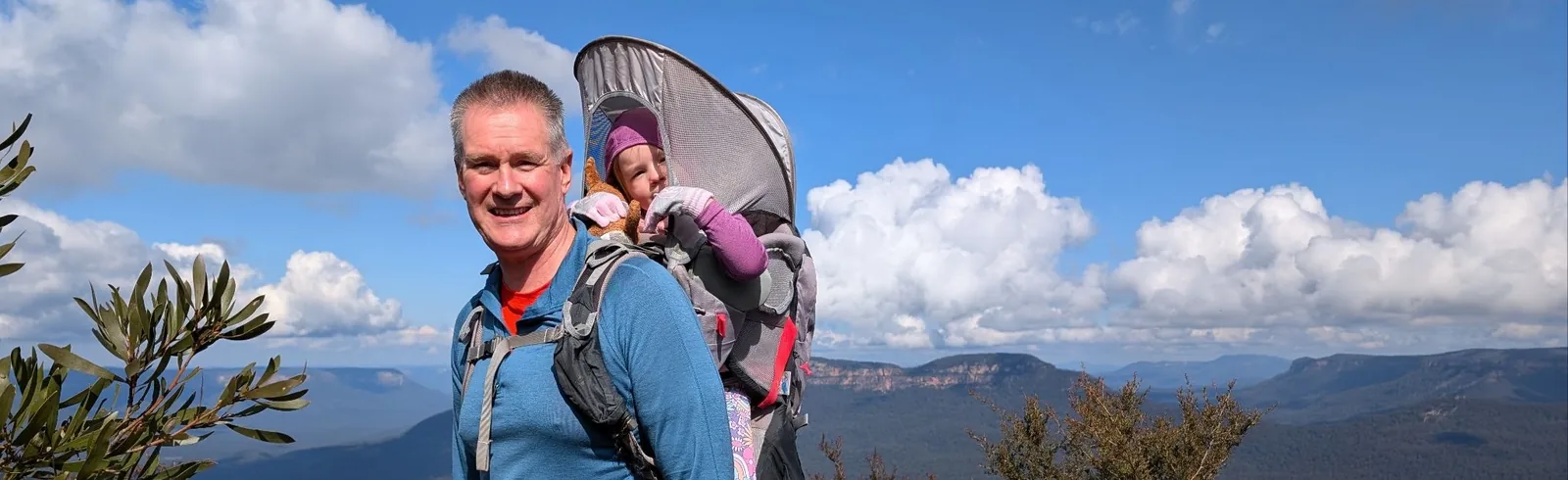
What Else should I take on a Multi Day Hike with Kids?
The Packing List is below as well as in this google drive document.
Shelter (store in drybags)
- Ground Sheet
- Tent
- Tarp for lunch in case of rain
- Sleeping mat
- Sleeping Bag
- Hot water bottle or drinking bottle that can be used as a hot water bottle (nalgene or equivalent)
- Bit of foam yoga mat to use as a seat
- Microfibre towel for wiping down tent
- Pack raincover/ poncho
Hygiene
- Trowel
- Toilet paper
- Wet wipes
- Hand sanitiser
- Insect repellant
- Sunscreen
- Toothbrush/ toothpaste
Cooking
- Jetboil or equivalent
- Gas, make sure you have enough for hot water bottles
- Cooking pot or two dehydrated meals that don’t require a pot
- Lighter
- Small dishwashing cloth and tiny container of dishwashing liquid
- Salt and pepper
- Wraps for lunch and ingredients for 3 days
- Oats with milk powder 3 serves
- Packet soups, 2 serves per day
- Snacks, biltong, nuts, dried fruit, chocolate, lots of chocolate
- Lifestraw or other water filter
- 4L water per person
- Spoon, knife, bowl, cup
- Ziplock bags for rubbish
Clothing (store in drybags)
- Surf shoes or wetsuit socks
- Wetsuit pants or woollen thermal leggings for river crossings
- Sleeping Clothes
- Fresh change of clothes for each day
- Polar Fleece
- Down Jacket
- Rain Jacket
- Beanie
- Buff
- Gloves
- Lipbalm
- Hiking Sticks with gaffa tape on poles that can be reused to fix things
- Head torch
- Tent solar light
- Mosquito Spray
Navigation
- Phone for navigation with AllTrails map and Avenza map preloaded
- Backup phone with AllTrails map and Avenza map preloaded or a powerbank
- PLB
First Aid Kit
- Compression Bandage
- Saline Pack for Wound Care
- Pointed Tweezers and Tick Removers
- Alcohol Wipes
- A Range of Bandages and Dressings
- Bandaids (most used item)
- Space Blanket
- Iodine for Antiseptic Use
- Pain Relievers, antihistamines and Medications such as gastrostop
- Cream for bites
- Steri Strips
- Chlorine tablets in case the water filter breaks
- Surgical Tape for Emergency Repairs
- Small Scissors and Tweezers
- Crepe Bandage (Small)
- Compeed Blister Bandages
- Freeze of tick spray
- Super glue
- Glad wrap
- Hydrolytes
The first rule of remote Area First Aid
Let someone know where you are going.
Your kids are relying on you, so make sure you use the Friends Find Me App or text someone where you are going and when you are expected back.
Packing a well rounded remote area first aid kit is essential for any outdoor adventure. The items discussed, from saline solution and gauze swabs to essential medications like pain relievers and Gastro Stop, are the core elements every first aid kit should have. Tailoring your kit to your specific needs is important, but this guide ensures you’re ready to treat minor injuries and handle emergencies in remote environments.
However, even with the best equipped first aid kit, accidents can still happen and emergencies may arise when you least expect them. That’s where the Friends Find Me hiking safety app steps in. This app is designed to give you an extra layer of safety while you’re out hiking, camping or exploring the bush. It provides an easy way to notify your emergency contacts if you don’t return at your expected time, ensuring someone always knows your whereabouts.
By combining the preparedness of a well stocked first aid kit with the proactive technology of Friends Find Me, you can focus on enjoying your outdoor adventure without worrying about your safety. Whether you’re hiking through remote trails, camping in the wilderness or simply exploring nature, these tools work together to keep you secure and connected when you need it most.